Clean Power Alliance (CPA) continues to strengthen its long-term partnership with the communities it serves through a proactive, community-first approach to wildfire preparedness, recovery and resilience.
To support this commitment, CPA’s comprehensive wildfire webpage features key customer programs and services, practical resources and community-focused initiatives to help residents and businesses prepare for wildfire threats, respond during emergencies and recover in the aftermath.
Through these efforts, CPA is helping customers protect their properties, navigate recovery and rebuild with cleaner, more resilient solutions.
One of the available resources on this webpage is CPA’s Energy Team service, which can assist customers with personalized guidance on home hardening to increase a home’s resistance to flame intrusion by embers projected by wildfire.
Energy Team specialists evaluate a home’s unique characteristics, such as roofing, vents, siding, windows, decks and surrounding vegetation and then provide tailored recommendations to address the most vulnerable areas. Guidance is provided to CPA customers at no cost.
Small vulnerabilities in a home’s exterior can become entry points for embers, while windows and surrounding vegetation can influence how heat, smoke and fire affect a property.
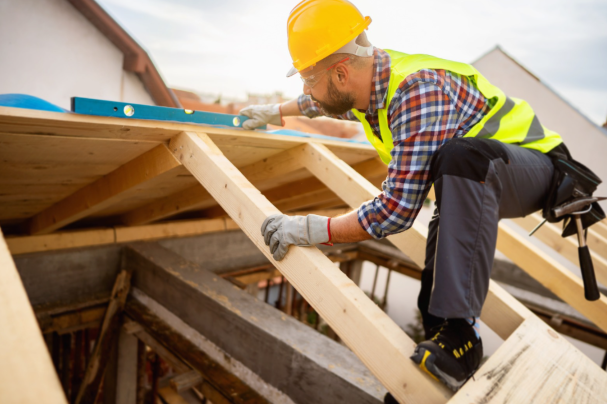
Repairing damaged siding and sealing gaps can help limit those entry points, while enclosing roof eaves can reduce the opportunity for embers to get underneath the roofline. These details may seem minor under ordinary circumstances, but they can become important points of vulnerability when a wildfire is nearby.
The Energy Team home hardening assessment is conducted virtually and includes resiliency recommendations for homes that may be prone to Public Safety Power Shutoff (PSPS) events and are provided in conjunction with an energy usage review.
An additional safety precaution involves preventing smoke intrusion, which can be addressed by evaluating the home’s windows as part of its overall wildfire protection. Single-pane windows are more susceptible to breaking when exposed to intense heat. Replacing them with tempered double-pane glass can provide greater resistance while also offering the everyday benefits of improved insulation and energy efficiency.
Additional safety steps include securing the home’s perimeter by taking a thoughtful approach to the landscape surrounding the house. Choosing plants with high water content, including California natives suited to the planting zone, can help create a landscape that is better adapted to local conditions.
Resilience is about more than what is planted however, as regular maintenance including removing dry or dead vegetation and keeping combustible material from accumulating close to the home is equally important. A well-considered and well-maintained landscape can help reduce the amount of potential flammable vegetation immediately surrounding the structure.
Together, these measures reflect a broader approach to wildfire preparedness: protecting the home from the outside in. By addressing vulnerabilities in the structure, strengthening windows, and creating a more resilient landscape, homeowners can take practical steps to prepare their properties before the next wildfire threatens.
Learn more by visiting CPA’s Wildfire Recovery Resources and Initiatives for Southern California page.
For stories like this and more, sign up for our monthly newsletter at cleanpoweralliance.org/newsletter.