Clean Power Alliance se enorgullece en dar opciones de energía limpia y renovable a las comunidades de los condados de Los Ángeles y Ventura. Estas opciones incluyen energía eólica, geotérmica, solar y pequeñas hidroeléctricas y, a menudo, incluyen almacenamiento de energía para garantizar un suministro confiable y tarifas competitivas para nuestros clientes. En 2025, se espera que el total de la cartera de CPA sea más del 70 % de energía renovable.
Desde que CPA inició sus operaciones, nuestros clientes han evitado la emisión de más de 13.8 mil millones de libras de gases de efecto invernadero. En conjunto, esto equivale a retirar de la circulación más de un millón de automóviles al año, o a plantar y cultivar casi 103 millones de plantones de árboles durante 10 años.
Since CPA began operations, our customers have prevented more than 4.6 billion pounds of harmful greenhouse gas emissions. Collectively this is equivalent to 455,000 automobiles being taken off the road every year, or nearly 35 million tree seedings being planted and grown for 10 years.
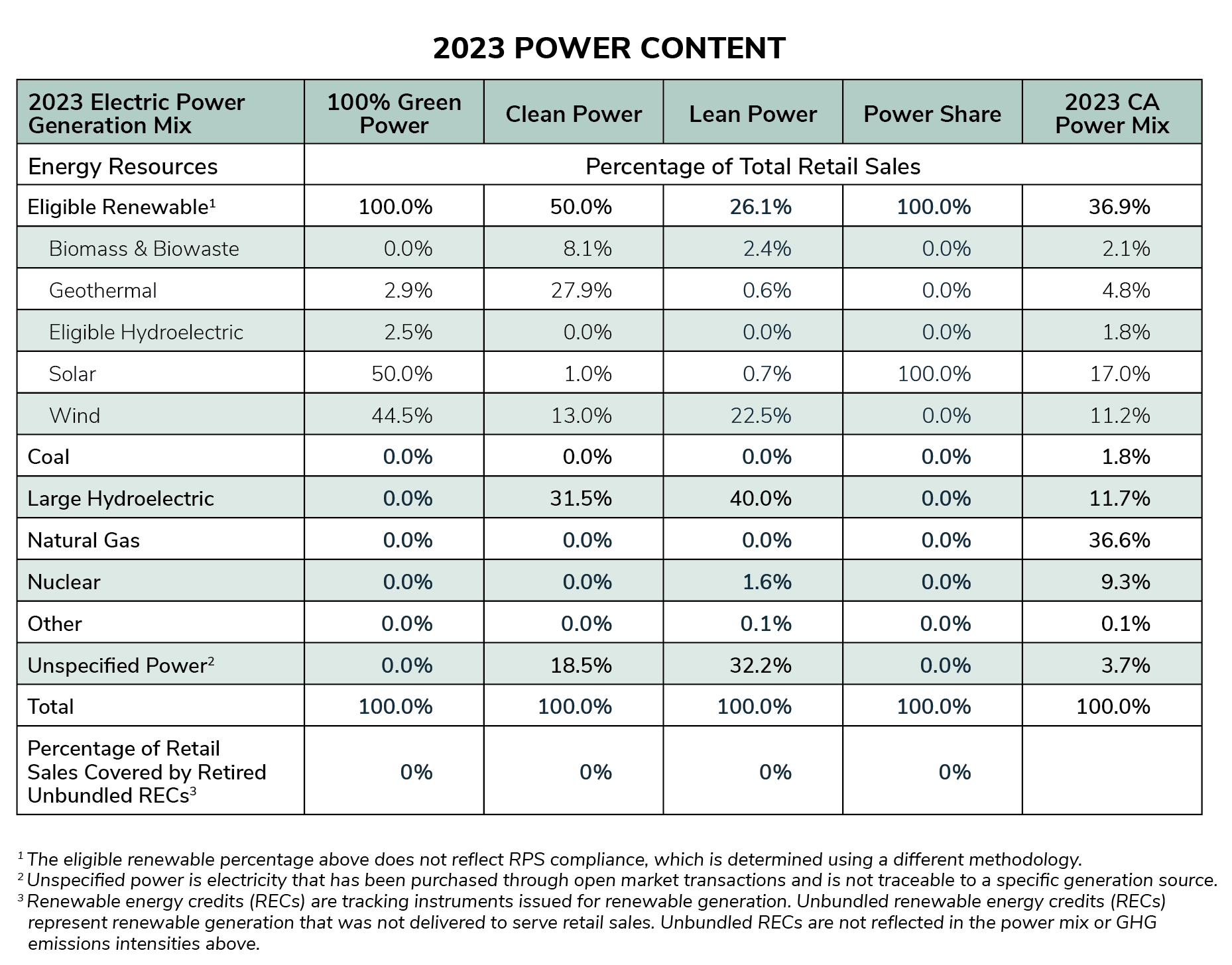
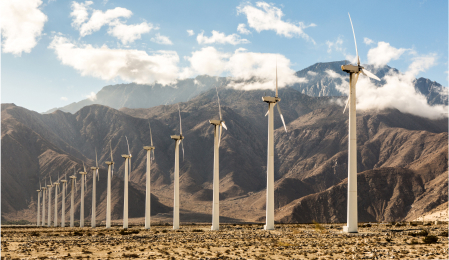
La energía eólica se aprovecha haciendo girar grandes turbinas con el aire que fluye de manera natural en la atmósfera terrestre. Las turbinas giratorias transforman el viento en electricidad.
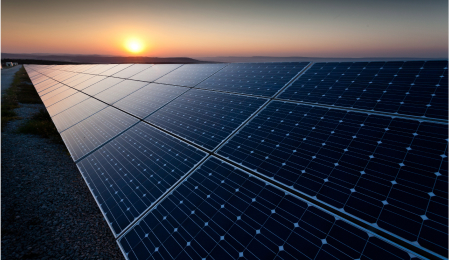
La electricidad solar se genera cuando la luz del sol toca los paneles solares. La luz del sol contiene fotones que al formar un circuito eléctrico adentro de un panel solar generan electricidad.
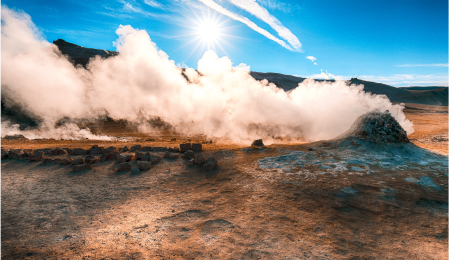
La energía geotérmica es el calor que procede de la superficie por debajo de la tierra que puede aprovecharse por medio de turbinas para generar energía limpia y renovable.
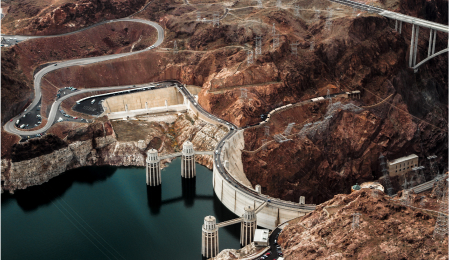
La energía hidroeléctrica de pequeños proyectos es una forma de energía renovable que usa el poder del agua en movimiento para generar electricidad. Las instalaciones hidroeléctricas que tienen una capacidad menor a 30 MW son recursos de energía renovable elegibles y se llaman “hidroeléctricas elegibles”.
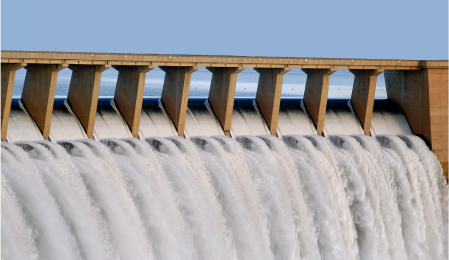
La energía hidroeléctrica es una forma de energía libre de carbono que usa el poder del agua en movimiento para generar electricidad. Las instalaciones hidroeléctricas que tienen una capacidad superior a 30 MW tienen otras consecuencias ambientales y, por lo tanto, no se consideran un recurso de energía renovable elegible.

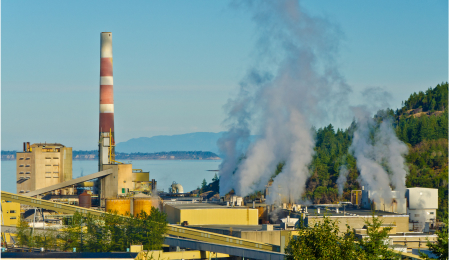
La electricidad de biorresiduos se genera o produce a partir de residuos de comida, aguas residuales, estiércol, biogás y residuos orgánicos de operaciones industriales. La energía de estas sustancias se puede calentar o convertir en electricidad por medio de procesos naturales.
La energía no especificada es la cantidad de energía que no reclama específicamente una empresa de servicios públicos, cuando la fuente original de energía no se puede determinar o especificar en un contrato. También se le puede llamar “energía del sistema” y, a menudo, se importa de fuera de California.

(Haga clic derecho y seleccione ‘Abrir enlace en una nueva pestaña’)
(Haga clic derecho y seleccione ‘Open link in new tab’)
Abel Debela serves as Data and Systems Architect with extensive experience in big data solutions and the design of scalable data pipelines for data lakes and data warehouses. He specializes in data integration and automation, with a strong focus on interpreting, analyzing, and reconciling heterogeneous data to deliver meaningful insights through effective data visualization. He has worked extensively with AWS and Azure cloud platforms and brings hands-on expertise in PySpark and leading visualization tools, including Tableau, Power BI, and AWS QuickSight. Abel’s industry experience spans finance, aviation, and public utilities, giving him a well-rounded perspective across diverse business environments. Abel holds a Master’s degree in Advanced Business Analytics from the University of Washington.
Chloe Taurel serves as Analyst, Load Forecasting for Clean Power Alliance. Chloe works on maintaining load forecasting models, ensuring the accuracy of forecast inputs and outputs, and developing standardized reports and dashboards. Prior to joining Clean Power Alliance, she interned at the Michigan Green Building Collaborative, where she analyzed energy trends and benchmarked building efficiency data. She has also conducted research with the Energy Equity Project on energy affordability in historically redlined communities in Michigan and developed an ETL pipeline to centralize energy regulatory data. Chloe earned her Bachelor of Science in Data Science with minors in Energy Science & Policy and Sustainability from the University of Michigan.
Anthony Boukarim serves as Resource Planner, Power Supply, supporting long-term resource planning, portfolio optimization, and procurement strategy to advance CPA’s clean energy, reliability, and affordability objectives. He brings more than a decade of experience in the energy sector, spanning management consulting and advanced energy analytics, with deep expertise supporting utilities and community choice aggregators. Prior to joining CPA, Anthony spent six years at Ascend Analytics, where he led firm-wide renewable energy and storage procurement initiatives. He holds a Master of Science in Energy Resources Engineering from Stanford University and a Bachelor of Engineering in Mechanical Engineering from the American University of Beirut.
Kim joins Clean Power Alliance as the Senior Analyst, Rates and Tariffs. Kim is responsible for developing and maintaining CPA’s cost of service and rate models to evaluate the financial, competitiveness, and customer impacts of rate design and rate setting options. Kim held financial, strategy, and planning roles across utilities, consulting, and the energy sector, including roles with Black Hills Energy, Marathon Oil, and Noble Energy. This cross-sector background gives her a broad view of how financial modeling, regulatory strategy, and capital planning intersect to support growth, reliability, and environmental responsibility. She holds a bachelor’s and master’s degree in Mathematics from the University of Wyoming.
Mark Hum serves as Senior Associate, Communications and Marketing at Clean Power Alliance. He is a marketing and communications strategist with a background in medtech and life sciences, where he supported initiatives spanning multiple industries across both B2B and consumer-facing brands. His work is grounded in a copywriter’s mindset, starting with audience needs and translating complex ideas into clear, compelling stories that build trust and understanding. Mark has led integrated communications across digital, social, email, web, and stakeholder channels, with an emphasis on accessibility, consistency, and measurable impact. He brings a strong appreciation for structure and narrative, ensuring that every message serves a purpose and connects with people in a meaningful way. Mark holds a Bachelor’s degree in Journalism from California State University, Long Beach (CSULB).
Prapassara “Pom” Saengxuto serves as Finance and Accounting Analyst at CPA. She is a Certified Public Accountant with over 20 years of experience in accounting and finance. Throughout her career, she has worked across a wide range of industries, including public accounting, private corporations, entertainment, manufacturing, consulting and construction. This diverse background allows her to bring a well-rounded and practical perspective to every engagement. Pom is known for her strong dedication, attention to detail, and commitment to accuracy. She works effectively both independently and as part of a team, consistently supporting organizations in making informed, strategic financial decisions. Her approach combines technical expertise with a deep sense of responsibility and professionalism.